
How to Grow Microgreens at Home: A Beginner’s Guide
Save my name, email, and website in this browser for the next time I comment. The young, tender greens contain concentrated levels of vitamins, minerals, and antioxidants, making them a highly nutritious addition to a variety of dishes. In the absence of natural light, fluorescent lights can be used to provide the necessary spectrum for photosynthesis.
Choosing Microgreen Seeds
Typical seed packet prices range from £2–£5, depending on variety and pack size. The right seed mix sets you up for fast, forgiving success. If you’re brand-new, our page Grow Microgreens at Home is a great starting point. In fact, adding fertilizer can do more harm than good by burning the plant's delicate young roots. Using a sterile medium like coconut coir gives each new crop a clean slate and the best possible start.
Best Indoor Gardening Equipment:
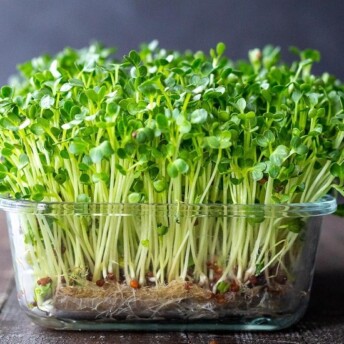
Growing salad greens indoors during winter is a rewarding way to enjoy fresh, nutritious produce when outdoor gardens are dormant. They found that "microgreen cotyledon leaves possessed higher nutritional densities" than mature leaves, with concentrations ranging from 4 to 40 times higher depending on the variety and nutrient measured. Researchers at the University of Maryland and USDA analyzed 25 commercially available microgreens for vitamins C, E, K, and beta-carotene. He states that astronauts are already growing and consuming fresh crops on the International Space Station. This peer-reviewed paper examines microgreens as candidates for space life support systems.
- Remember that having partially harvested trays in your kitchen or growing space may attract pests like fungus gnats.
- Use another tray or plastic cover to create a mini greenhouse effect.
- Big on nutrition and flavor, microgreens can be expensive to purchase.
- Knowing when to water and understanding light necessities will equip you with the tools to master the art of cultivating robust microgreens.
- For larger microgreen seeds like peas, sunflowers, or cilantro, you will want to soak them before placing them on the trays.
- By following this simple guide, you’ll enjoy a continuous supply of healthy microgreens year-round.
How Long Does It Take To Grow Microgreens?
Clamshells or plastic bags are typically used for packaging harvested How to Grow Microgreens microgreens. Microgreens are harvested by cutting the seedling stem so that most of the stem, cotyledon, and leaves are packaged, leaving the roots behind. Microgreens are typically harvested within the time frame from when the first true leaves are forming to when they have fully emerged. Seed suppliers may also have recommended seed densities for the specific microgreens they sell.
- A strong grow light that can give the equivalent of 7+ hours of direct sun DLI of 21+ mol/m²/day.
- With a little practice and troubleshooting, you’ll be a microgreen-growing expert in no time!
- They should be placed 2-4 inches above the plants and on for hours a day.
The best practice is to start every tray fresh. That moment of panic when you see white fuzz on your soil is a rite of passage for new growers. If your shadow on the tray is sharp and well-defined, your light is probably strong enough.
Clean your trays with warm water (or a diluted bleach solution if you suspect any mold issues), and you’re ready to sow the next batch! (The old roots will break down into wonderful compost, which you can later use in your outdoor garden or potted plants, completing the cycle. After harvesting, you’ll be left with the tray of roots and spent soil. If you need to store microgreens, line a container or zip-top bag with a paper towel, place the dry (not wet) microgreens inside, and refrigerate. But also be cautious not to overwater – do not let the trays sit in standing water for long periods.