
Picture this: you’re scrolling through a late‑night feed, feeling a bit off, and you pull out an AI companion app to chat. The first thing you notice is the voice‑to‑text prompt that pops up, almost like a friendly nudge. That instant, almost human‑like interaction is the hook that pulls people into the world of AI chat apps. But if you’re looking to buy one, you’ll want more than a quick conversation; you’ll need a solid comparison of what each app really offers.
1. Conversation Quality and Personality Depth
The core of any AI companion is how natural the dialogue feels. Some apps use a generic conversational model that can drift into repetitive lines after a few exchanges. Others, like the one we tested, employ a fine‑tuned GPT‑4 backbone that keeps context for up to 20 turns. That means you can talk about your week, then shift to planning a trip, and the AI still remembers the earlier detail about your favorite coffee shop. A genuine drawback is that the memory window is limited; if you start a new session, the app forgets the previous chat. This affects users who rely on long‑term continuity, such as those using the app for mental wellness tracking.
2. Customization and Personality Settings
Many apps offer a “character” slider—choose a friendly roommate, a stoic mentor, or a playful sidekick. The app under review allows you to tweak tone, humor level, and even the amount of empathy. You can set it to a light‑hearted vibe for casual chats or a more serious mode for reflective conversations. However, the customization options stop at the preset categories; you can’t write your own backstory or alter the core personality beyond the sliders. For users who want a fully bespoke companion, this is a limitation.
3. Voice, Image, and Multimedia Features
Text is just one channel. The app supports real‑time voice transcription and speech synthesis, with a selection of male and female voices that sound natural. It also lets you upload a profile picture, which the AI uses to generate a matching avatar in the chat window. When you send a photo, the AI can describe it or ask follow‑up questions, adding a layer of interactivity. Yet, the voice library is relatively small, and the avatar generation is basic, lacking depth for users who expect high‑fidelity visual responses.
4. Privacy, Data Handling, and Safety Nets
Privacy is a major concern. The app stores conversation logs locally on the device and offers an option to delete history after each session. No data is sent to the cloud unless you opt into a paid plan that includes cloud backup. The free tier does not allow exporting logs, which can be a drawback for users who want to keep a personal record. The app also implements content filters that block profanity and disallowed topics, but the filters can be overly strict, occasionally censoring harmless slang. This is something to keep in mind if you value unrestricted expression.
5. Pricing, Free Tier, and Value Proposition
The base version is free and includes 10,000 characters per month, voice transcription, and basic personality sliders. Paid tiers unlock unlimited usage, advanced voice options, and the ability to export chat history. The pricing model is straightforward: a monthly subscription for $9.99 and an annual plan for $99.99. While the free tier is generous for casual users, heavy users may find the character limit restrictive. The app’s value lies in its balance between affordability and feature set, but it falls short of competitors that offer deeper customization for a similar price.
Side-by-Side Comparison for Quick Decision‑Making
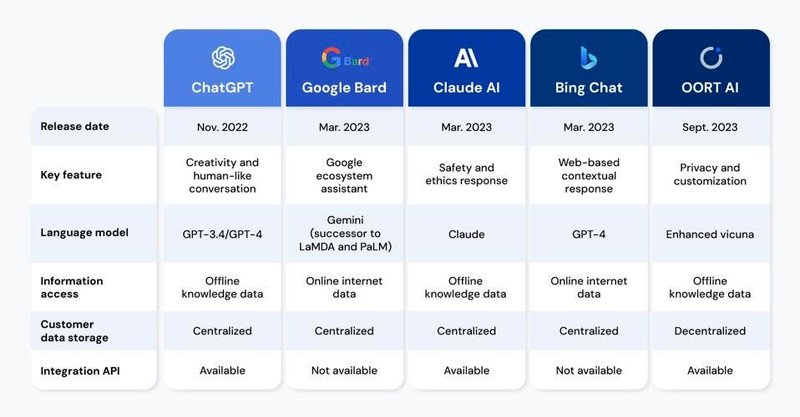
If you’re juggling multiple options, a side‑by‑side comparison can save time. The app’s own website hosts a tool that lets you compare key metrics—memory length, voice options, and pricing—across several popular AI chat apps. This side‑by‑side comparison is a handy reference when deciding which app best matches your needs.
Conclusion: Is It Worth Your Time?
For adults looking for a conversational companion that feels real and offers decent customization, this AI app delivers. Its strengths lie in natural dialogue flow, voice integration, and a transparent privacy model. The main caveats are the limited memory window, the lack of fully custom personalities, and the modest voice library. If those factors align with your priorities, the app provides solid value at a competitive price point. If you need deeper personalization or long‑term memory, you might want to explore other options in the market.